

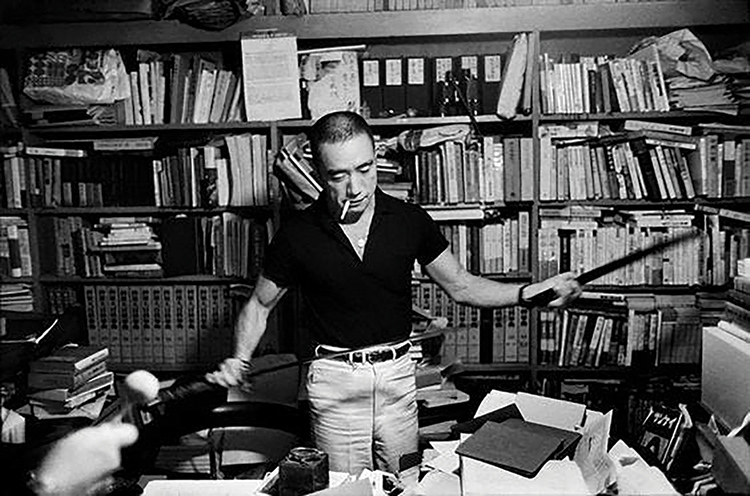
I read Confessions of a Mask by Yukio Mishima during a quiet winter. I spent long evenings indoors and thought a lot about identity and performance. The book felt private, almost secret. It read like a confession shared in low light.
The Weight of Pretending
The novel turns on a clear paradox. Kochan admits he wears a mask, yet that admission makes him more honest than most people. He senses his difference in childhood. His desires feel out of place in Japan during the 1940s. His taste in beauty sets him apart. So he studies normal behavior and copies it. He builds a public self that others accept.
His self-inspection feels intense. At times I felt like an intruder reading a hidden notebook. Mishima presents Kochan’s sexual awakening without softening it. Kochan links beauty with death. He tries to want women in the expected way and fails. The book appeared in 1949. That frank tone carried real risk at the time.
Beauty Joined with Violence
One image returns to me often. Kochan stares at Saint Sebastian by Guido Reni. The young martyr stands pierced by arrows. His face stays calm through pain. Kochan feels his first erotic charge in that moment. Beauty, masculinity, and injury meet in a single frame.
Mishima offers no excuse for this reaction. He records it and moves on. That link between art and harm runs through the book. Readers know Mishima died in 1970 after a public ritual suicide. The novel itself stays focused on desire and its strange origins. We learn what stirs us long before we grasp it.
Trying to Love “Correctly”
The chapters with Sonoko carry the most strain. Kochan treats the bond like a test. He tracks his body with care. He notes each absent response. His thoughts drift during scenes meant for romance. His honesty cuts, both toward himself and toward her.
Many people try to fit shapes that never suit them. Some choose partners who look right on paper. The life appears sound from the street yet feels empty inside. Kochan’s mask hides more than sexuality. It hides fatigue from constant performance.
When the Mask Falls
Kochan admits he cannot keep the act. No grand speech follows. No sudden relief arrives. He accepts a hard fact. He stands outside the conventional order and always has.
What does the mask reveal? It shows no secret core. It shows the absence of the person he was meant to become.
The book feels rooted in its era and close to ours at the same time. Social rules shift across decades. The pressure to belong stays. What do we give up to gain acceptance? The question answers itself. We give up parts of our inner life.
Why It Still Matters
The novel offers no comfort. It sits with alienation and names it without drama. That restraint gives it force. Authentic living can carry isolation. The book states this with calm clarity.
I return to Kochan in moments when I catch myself acting a role. Mishima suggests the mask does not always come off. At times it bonds to the skin. The confession remains.
Have you read Confessions of a Mask? I’d be curious to hear what resonated with you, or if you found it as unsettling as I did.
